Turn Your Plumbing CRM Into a Water Treatment ATM
Strong attribution and tracking can turn your plumbing CRM into a steady water treatment cash machine. When you know exactly where each filtration lead comes from, who talked to them, and what closed, you can stop guessing and start planning real growth.
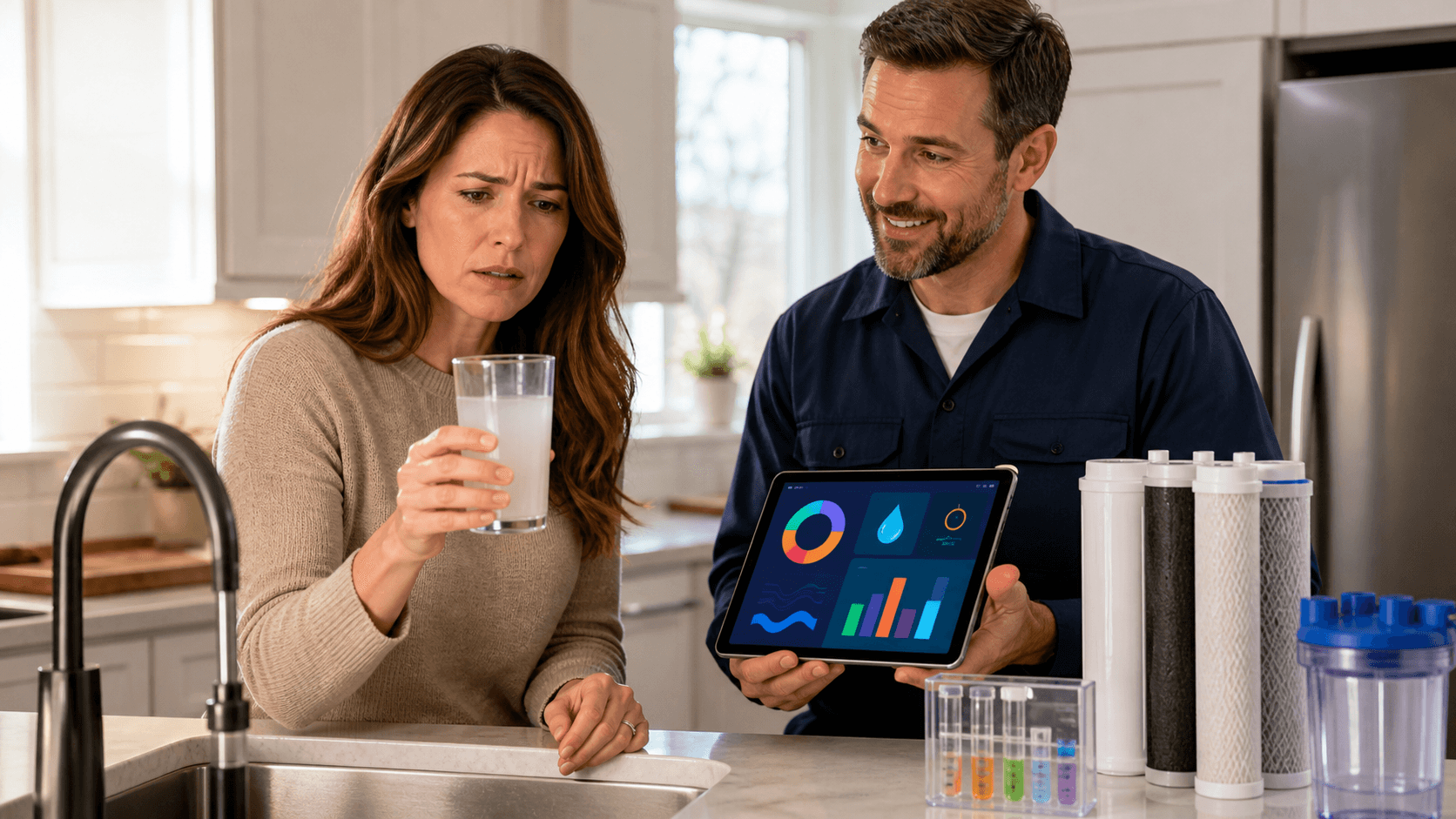
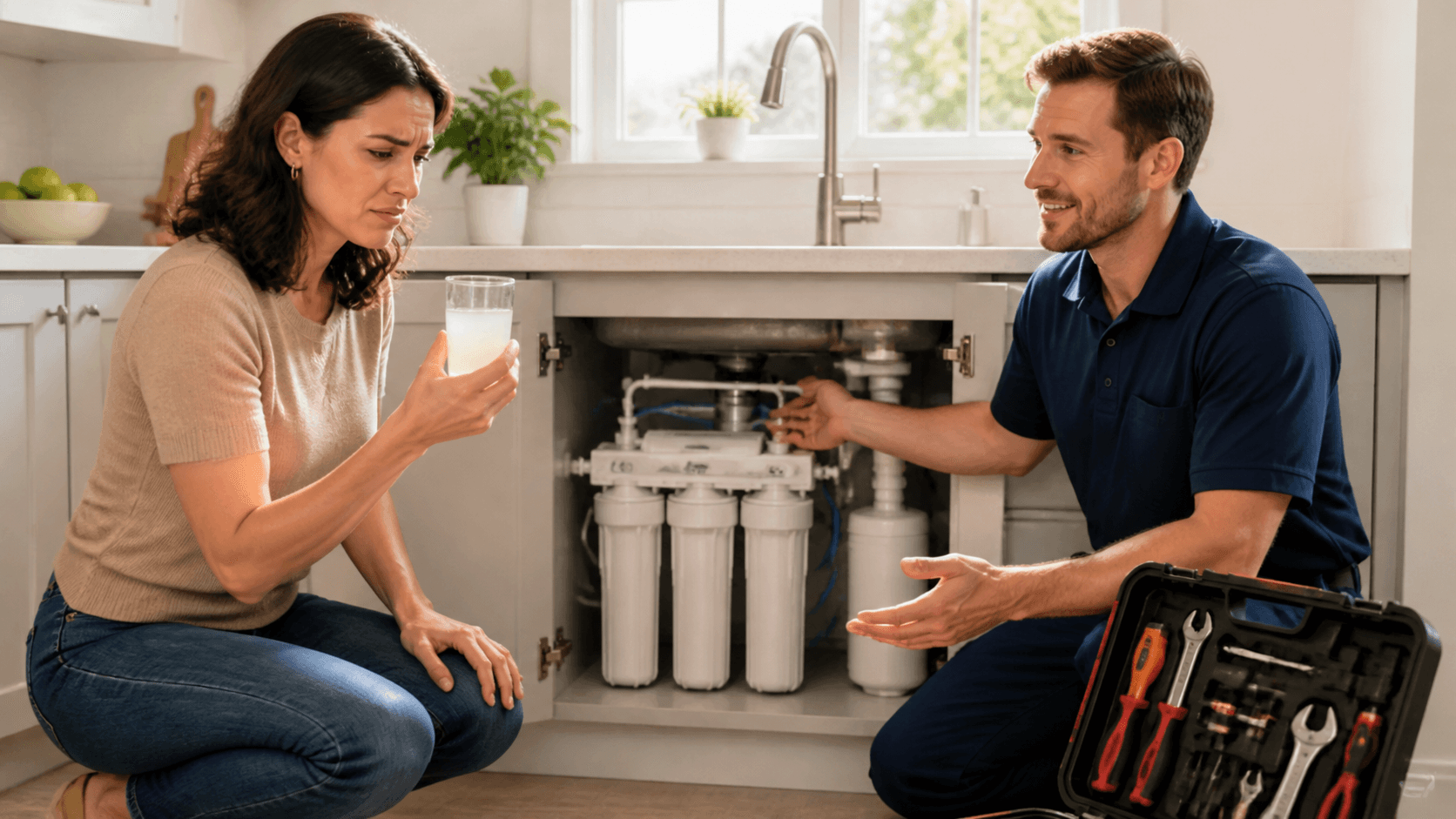
Heading into fall, phones usually ring with back-to-school schedule changes, pre-holiday projects, and early cold snaps. At the same time, more homeowners start asking about water quality, softeners, and filtration. The problem is, most plumbing operators have no clear line from that first question about hard water to the final install invoice in their CRM.
We see a common pattern: money going into Google Ads, Local Service Ads, Facebook, and mailers, but no clear answer on which one actually turns into profitable filtration jobs. On top of that, CRM follow-up for plumbing leads is often random or rushed, not built around water treatment at all.
Here is how to fix that. We will walk through source mapping, call and chat tagging, CRM automation, and closed-won reporting, all focused on water filtration and treatment revenue. Set these pieces up in fall, and those winter water taste complaints and holiday hosting worries can turn into high-margin installs instead of one-time service calls.
Map Every Water Treatment Lead Source with Precision
If you cannot see which channel brings in real water treatment revenue, you are guessing with your ad budget. Many US-based plumbing shops look at total calls, not at which campaigns lead to installed softeners, RO systems, or filtration packages.
Start by cleaning up your channels. At a minimum, separate:
- Paid search
- Organic SEO
- Local Service Ads
- Direct mail
- Website chat and forms
- Referral partners
- Existing customer upsells
Use tracking links and UTM tags on ads and email campaigns. Assign dedicated phone numbers to major channels like Google Ads or direct mail. Any landing page about water filtration or softeners should feed into your CRM with required fields like Lead Source and Campaign, not optional notes.
Then connect this clean structure to the real world. That means:
- Call center screens that require a lead source on every new water treatment contact
- Dispatch and CSR scripts that include, "How did you hear about our water treatment options?"
- Regular reminders that accurate source data protects ad budgets, commissions, and bonus plans
When everyone understands that one lazy "repeat customer" tag can hide thousands in revenue, they start to care about getting it right.
Build Rock-Solid Call and Chat Tagging for Filtration
Many offices tag almost every inbound contact as "plumbing," "service call," or "estimate." That might be fine for general work, but it hides water treatment demand. You cannot grow a filtration line if every water quality call looks like a clogged toilet in your reports.
Create a simple, must-use tagging framework tied to real water treatment problems. For example:
- Water Filtration Lead
- Water Softener Inquiry
- RO System
- Well Water Treatment
- Water Quality Concern
Also mark if the caller is new or an existing customer adding filtration. Upsell performance is a big part of water treatment growth, and you will want to see who turns tune-ups and flushes into filtration work.
Make these tags required in your phone system, chat platform, or call-tracking tool before a CSR can close a record. No tag, no finish. It slows them down for a few days, then becomes normal.
Next, bring everything into the CRM with tags intact:
- Call tracking that pushes recordings and tags into the customer record
- Website chat and SMS that sync conversations and key phrases
- Automatic creation of a "Water Treatment Opportunity" when keywords appear, like hard water, stains, smell, taste, filter, rusty, or cloudy
Use call recordings and chat transcripts for training. Coach CSRs to ask one or two simple filtration questions and to label every opportunity. Over time, this alone can double the number of trackable water treatment leads in your system.
Design CRM Follow-up That Closes More Filtration Jobs
Once attribution is clean, CRM follow-up for plumbing leads becomes much smarter. Not all water treatment leads are the same, and your system should treat them differently.
If you know a lead came from a filtration-focused SEO page, they may already be warm and researching. A direct mail call might respond better to a simple offer and a quick scheduling push. Membership customers might need a softer, "You are already taking care of your home, this is the next smart step" approach.
Build specific pipelines for water treatment stages like:
- Water Filtration Estimate
- Softener Quote
- Pending Water Test
Then add simple drip and nurture sequences using email and SMS. Share:
- Before and after results of water clarity and fixtures
- Short notes about hard water damage to fixtures and appliances
- Clear, friendly explanations of options and basic financing choices
Set reminders for technicians, advisors, or office staff to follow up 24 to 48 hours after quotes. Many homeowners just need a quick nudge and a clear next step.
AI can help here without killing the personal feel. You can:
- Use AI to answer after-hours questions, collect details, and book times
- Let AI suggest the next best follow-up based on stage, job value, and lead source
- Have office staff review AI notes each morning and send a short, real, local message to the homeowner
The goal is simple: no more water treatment quotes going silent because no one remembered to call back.
Build Closed-Won Reporting That Your Bank Account Trusts
You cannot grow what you cannot measure, so you need a clear, shared definition of "closed-won" for water treatment. Decide what counts for your team, like:
- Signed agreement
- Deposit taken
- Job completed and paid
In your CRM, create dedicated job types and products for water softeners, whole-home filtration, RO systems, well treatment, and even annual filter service. This separates water treatment revenue from general plumbing and lets you see real margins and growth.
Tie every install back to its original source by making Lead Source and Campaign mandatory on water treatment jobs. Before a job is closed, techs or office staff confirm that the water treatment opportunity in the CRM matches the work performed.
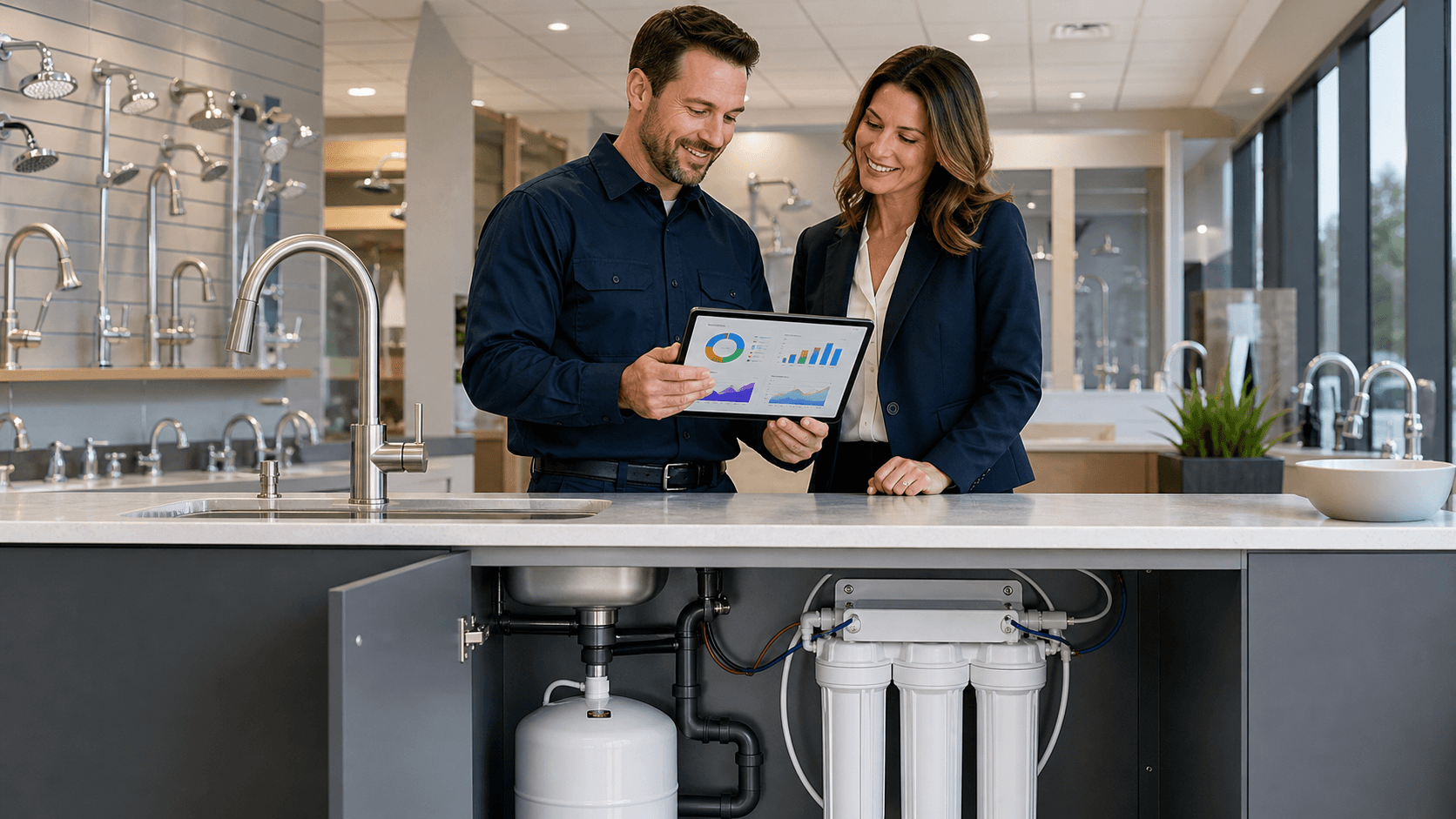
Then build simple dashboards that show:
- Revenue by source and campaign
- Average ticket by job type
- Close rate by technician and CSR
Use these numbers to move budget toward campaigns that create real closed-won revenue, not just cheap calls. Reward techs and CSRs who turn water quality talks into profitable installs. Review water treatment numbers at least once a month so you can adjust offers before seasonal shifts, like winter taste issues or spring well concerns kick in.
Lock in Your Water Treatment Growth Plan for Q4 and Beyond
When you put this all together, the growth formula is pretty simple: clean source mapping, disciplined call and chat tagging, focused CRM follow-up for plumbing leads, and precise closed-won reporting. With those parts dialed in, your plumbing CRM stops being a messy phone log and starts acting like a water treatment ATM.
Over the next 30 days, you can make real progress by auditing your current CRM fields, tags, and reports for water treatment visibility, adding or refining lead sources, call and chat tags, and job types for filtration and softeners, and launching at least one basic nurture sequence for open water treatment quotes.
At Dirty Water Customer Co., we build lead generation, SEO, water treatment-focused websites, and AI-powered follow-up systems specifically for US-based plumbing operators that want to grow this side of the business. When your attribution and tracking are tight, every hard water complaint, filter question, and water quality chat can become clear, trackable, high-margin water treatment revenue instead of another missed chance.
Turn More Plumbing Leads Into Booked, High-Value Jobs
If you are ready to stop letting good prospects slip through the cracks, we can help you build a reliable system that keeps your pipeline full. At Dirty Water Customer Co., we specialize in smart, consistent CRM follow-up for plumbing leads so more inquiries turn into scheduled work. Take the next step to qualify your leads faster, track every touchpoint, and stay in front of customers until they are ready to book. Start today so your team spends less time chasing and more time closing.