Stop Treating Filtration Like a Side Job
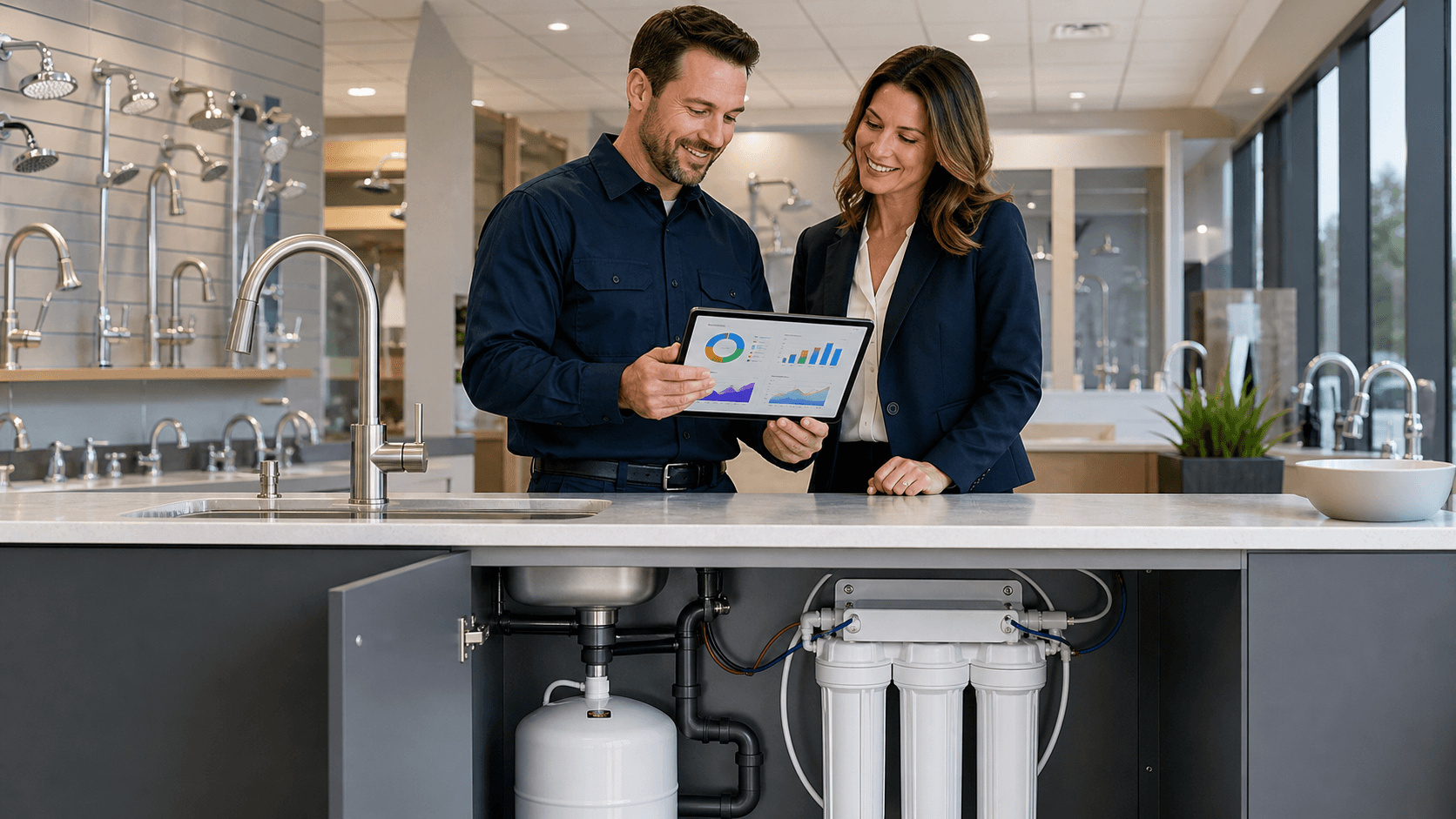
Water filtration is not just a cute add-on at the end of a plumbing quote. It can be one of the most profitable and predictable service lines in your entire business when it is marketed the right way.
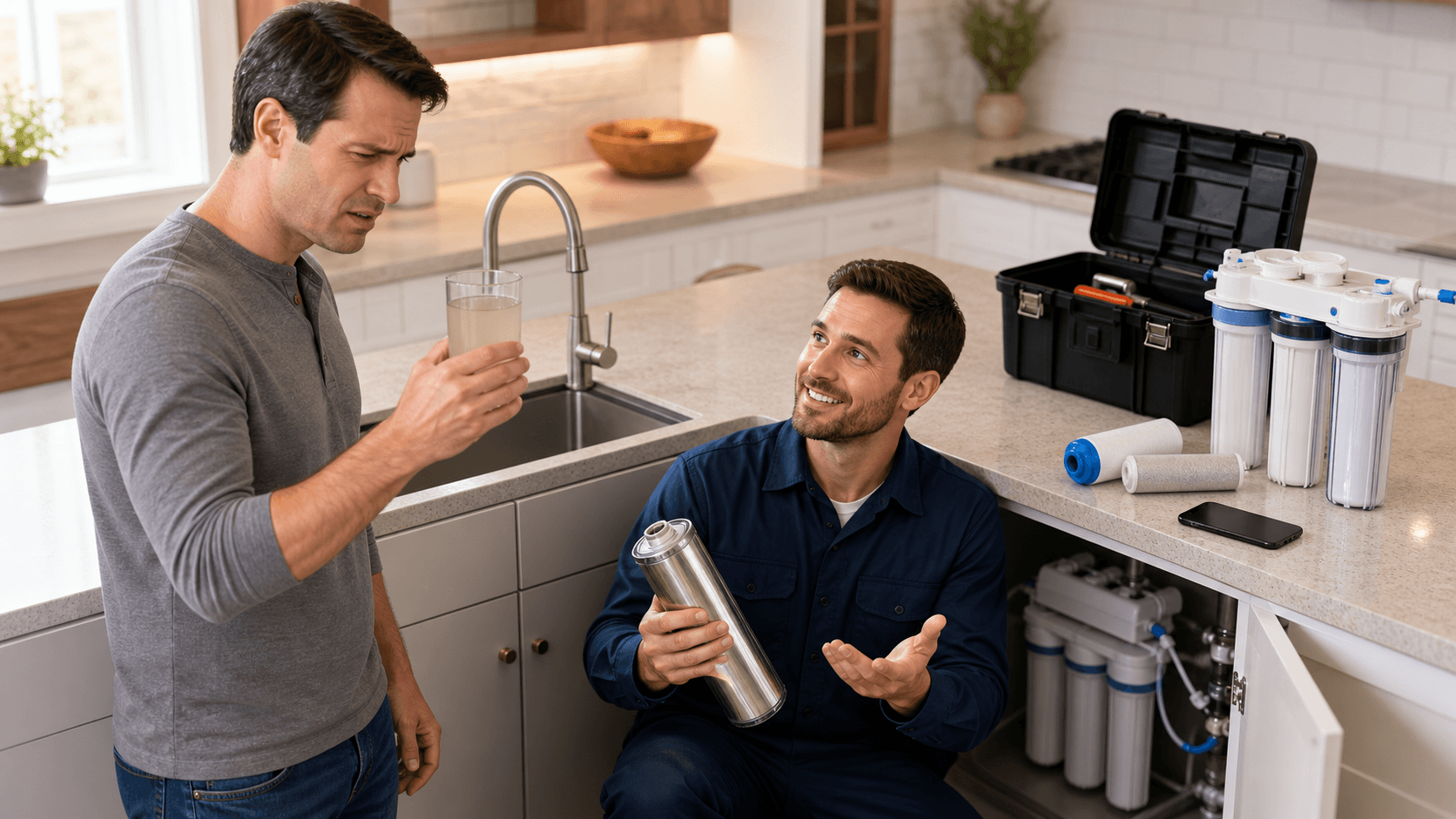
Most plumbing operators we talk to are stuck in the same pattern. The phones blow up for emergency calls, clogged drains, AC issues, and water heaters, while filtration gets a quick mention at the end of the visit. The tech might say, "By the way, we also do water quality systems" and then move on to the next job.
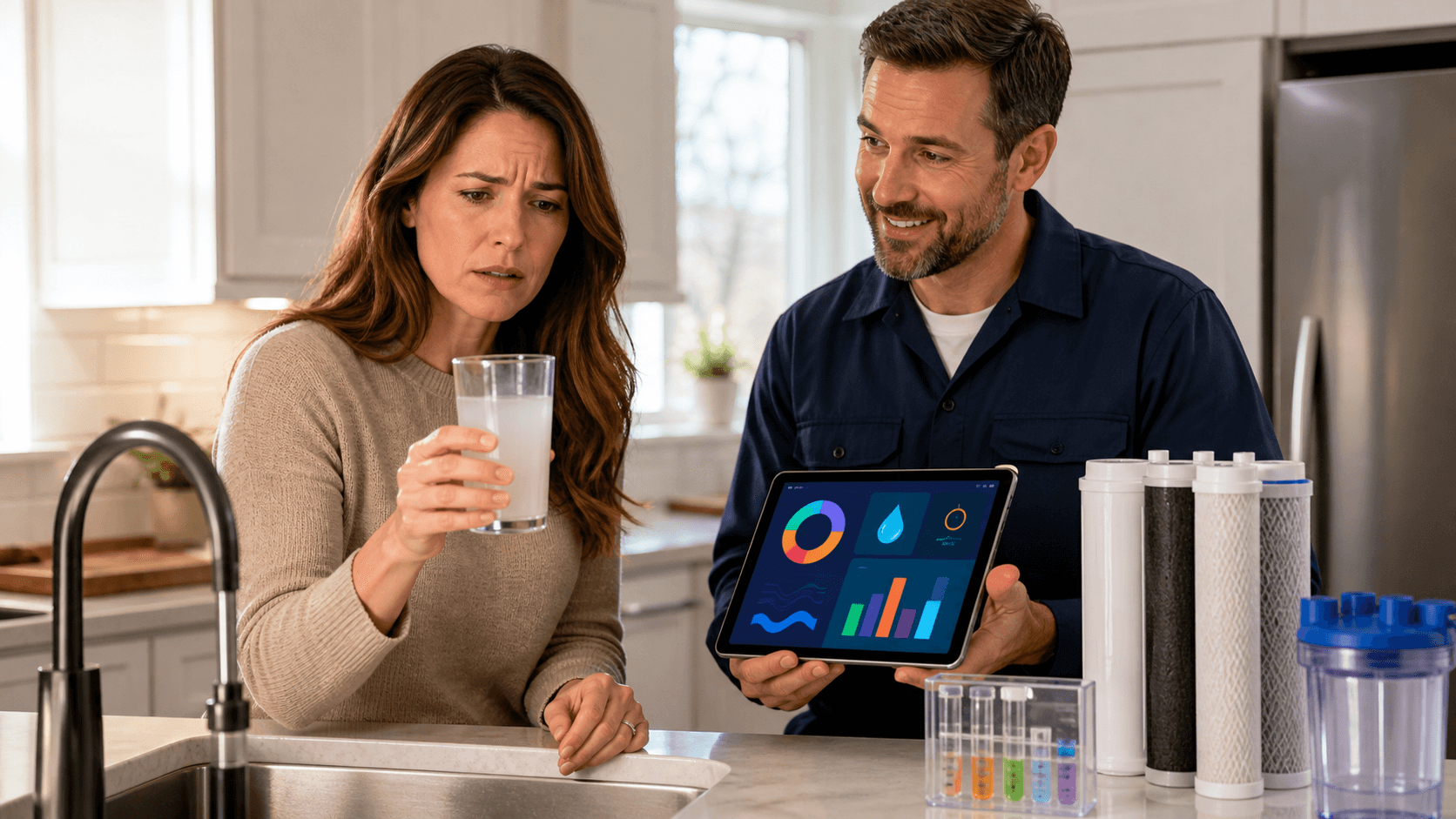
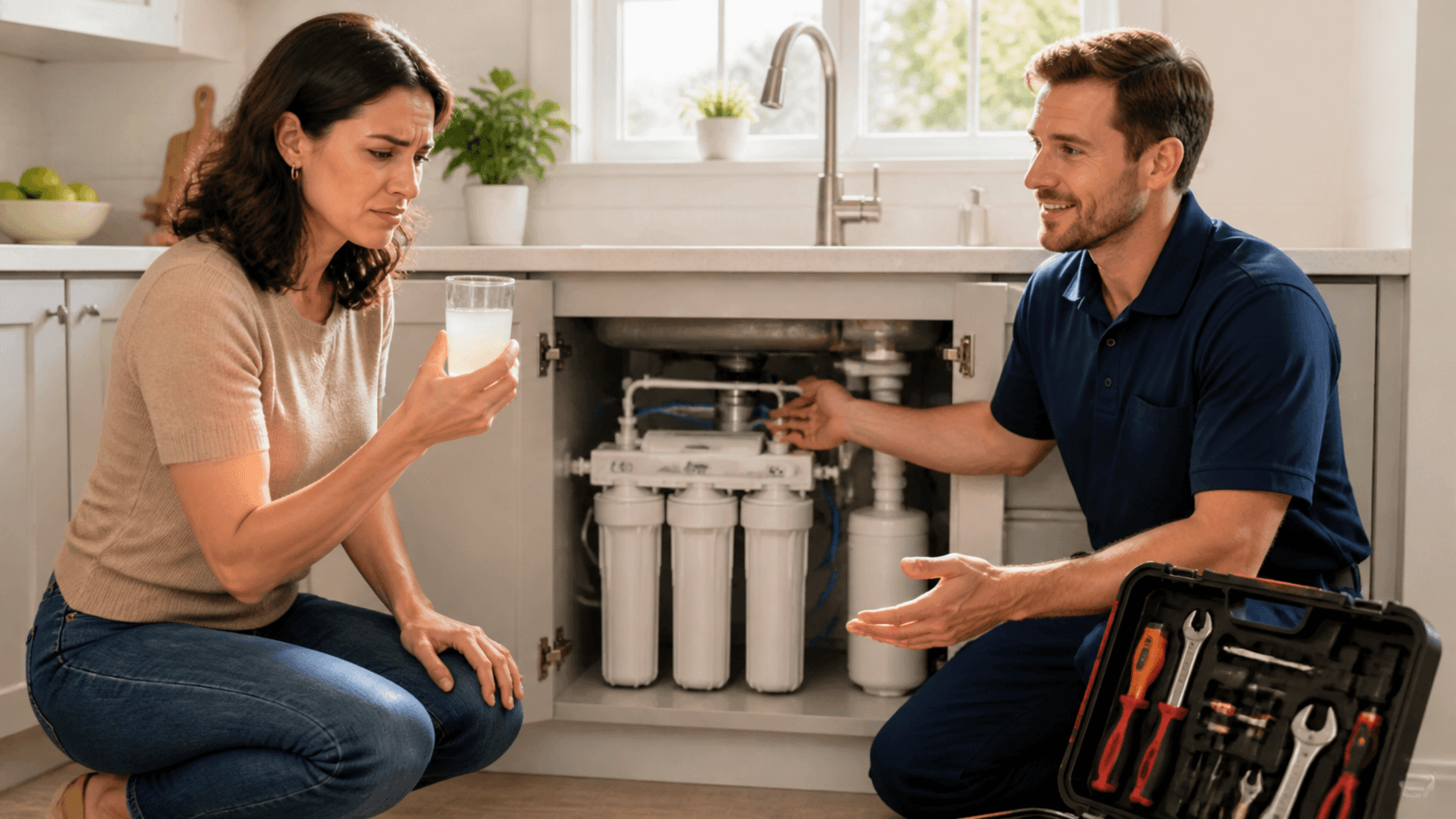
As the weather warms up and families start drinking more tap water, filling more ice trays, and running sprinklers, their concerns jump too. Taste, odor, hard water spots on dishes, kids in the house, and scary news about PFAS and other contaminants all push water to the front of their mind. When you treat filtration like a main service instead of an afterthought, you can turn that concern into steady, high-intent leads instead of one-time panic calls.
In this article, we are going to walk through the most common water filtration marketing mistakes we see plumbing businesses make and how to fix them so you can turn filtration into a real profit center, not just a checkbox on your truck wrap.
Fuzzy Messaging That Confuses Homeowners
A big mistake starts with the words you use. Many plumbing sites and ads use soft phrases like "water quality solutions" or "whole home treatment" without ever saying what actually changes in the homeowner's life.
Homeowners care about outcomes, not fancy labels. They are thinking:
- Does my water taste and smell better?
- Will I stop getting those white spots and stains?
- Is this safer for my kids and pets?
- Will it help protect my fixtures and appliances?
When your message sounds fuzzy, people do not connect the dots. Another problem is mixing water softening, conditioning, and filtration in the same pitch like they are all the same thing. A homeowner searching "rotten egg smell in water" is not thinking about softeners. Someone typing "filter for well water" has a very different concern than someone on city water with chlorine taste.
A simple messaging framework that works well is:
- Call out the exact water problem they feel right now
- Tie it to a daily annoyance or worry
- Present your filtration offer as the clear local fix
For example, instead of "We offer water treatment solutions," think more like, "Tired of yellow stains and strong odor from your well water? We install whole-home filters that clear it up and protect your plumbing." Short, clear, and tied to a real problem wins every time.
Treating Water Filtration Marketing Like Regular Plumbing Ads
Another common mistake is stuffing filtration into the same "we do it all" plumbing ads and expecting magic. When your ad headline screams "24/7 plumbing and AC repair," your water filtration offer gets buried under everything else.
People who search things like "whole home water filter" or "PFAS filter installer" are already problem-aware. They are not at the same stage as someone who just had a pipe burst and needs any plumber who answers the phone. If you send that filtration search to a generic home page that talks about drains, toilets, and water heaters, you lose trust and likely the lead.
Instead, build a separate path for filtration:
- Dedicated water filtration landing pages that speak only to water issues
- Filtration-focused Google Ads and Google Local Services Ads with clear, outcome-based language
- Local SEO pages that target searches like "water filtration plumber in [City]"
Your goal is to make the homeowner feel, from the first click, like they are in the right place and they found a plumber that truly focuses on water quality, not just a generalist who also "does filters."
Ignoring Local Water Problems in Your Area
Generic messaging about "better water for your home" feels flat when everyone in your area complains about the same few problems. When you skip local water issues in your marketing, you miss an easy way to stand out as the expert.
In many U.S. towns, people deal with:
- Hard water that leaves spots on glass and scale on fixtures
- Iron or sulfur in wells that cause staining and strong smells
- Local PFAS advisories or news reports that raise safety concerns
- Aging pipes in older neighborhoods that affect taste and color
You can tap into all of this by checking municipal water reports, scanning local news stories, and listening closely to what techs hear on rides each day. Then use that insight in your ads, landing pages, and content.
Some simple ways to make your marketing feel local and real:
- Before-and-after photos from real area homes showing stains or cloudy water vs clear results
- Short testimonials or quotes that mention city water vs well water challenges
- Quick blog posts or videos like "What's In [City] Tap Water And What You Can Do About It"
When a homeowner sees their own problem and their own city in your message, your offer feels tailored instead of canned.
Dropping the Ball on Follow-Up and Nurture
Most plumbing teams crush it on the first call or estimate, then completely drop the thread. If the homeowner does not say yes on the spot, the lead dies on the board and everyone gets busy with the next leak or slow drain.
Water filtration is different from an emergency repair. Many families need time to think, talk, and learn before they commit. The companies that win filtration work are usually not the ones with the lowest price, they are the ones that keep following up in a helpful, low-pressure way.
Simple, AI-supported follow-up can keep you front-of-mind without eating up your staff's whole day. This might include:
- Texts that check in and offer to answer questions
- Short emails that explain how systems work and clear up myths
- Reminder calls before key moments like summer parties or back-to-school
You can build a light nurture sequence around water filtration that educates while it sells. For example, send a quick checklist before summer about protecting fixtures and keeping water tasting good, a plain-language breakdown of filter lifespans, or reminders to book a water quality test before big holidays. That steady drip of value can turn a "not yet" into a "yes" weeks later.
Turn Filtration From Afterthought to Revenue Engine
If you want water filtration to become a real revenue engine instead of a side note, a few key shifts matter.
First, clean up your messaging so it speaks to clear, specific problems and everyday frustrations. Second, separate your water filtration marketing from general plumbing ads, with dedicated campaigns and landing pages built for high-intent searches. Third, tie your offer to the real local water issues your customers deal with, so they feel understood instead of sold to. Fourth, put consistent, mostly automated follow-up in place so you stop leaking good leads after the first visit.
You do not need a massive overhaul to start. Pick one mistake to fix this week. Maybe you launch a simple filtration-focused landing page, or you rewrite your ads around a common local water problem, or you add a basic follow-up sequence for every filtration quote.
When you are ready to go deeper and turn filtration into a steady, predictable line of high-intent work, teams like ours at Dirty Water Customer Co. focus on helping U.S.-based plumbing businesses build profitable water filtration service lines through specialized lead generation, SEO, AI follow-up, and conversion-focused web design. With the right strategy, filtration stops being an afterthought and starts becoming one of the most reliable profit drivers in your entire shop.
Start Attracting High-Quality Filtration Leads Today
If you are ready to reach more homeowners who are actively looking for cleaner, safer water, we are here to help. At Dirty Water Customer Co., we build targeted campaigns that turn local interest into booked appointments and long-term customers. See how our specialized water filtration marketing can fill your pipeline with consistent, qualified leads. Partner with us to make your filtration systems the clear choice in your service area.