Turn Dirty Tap Water Into a Profitable Revenue Stream
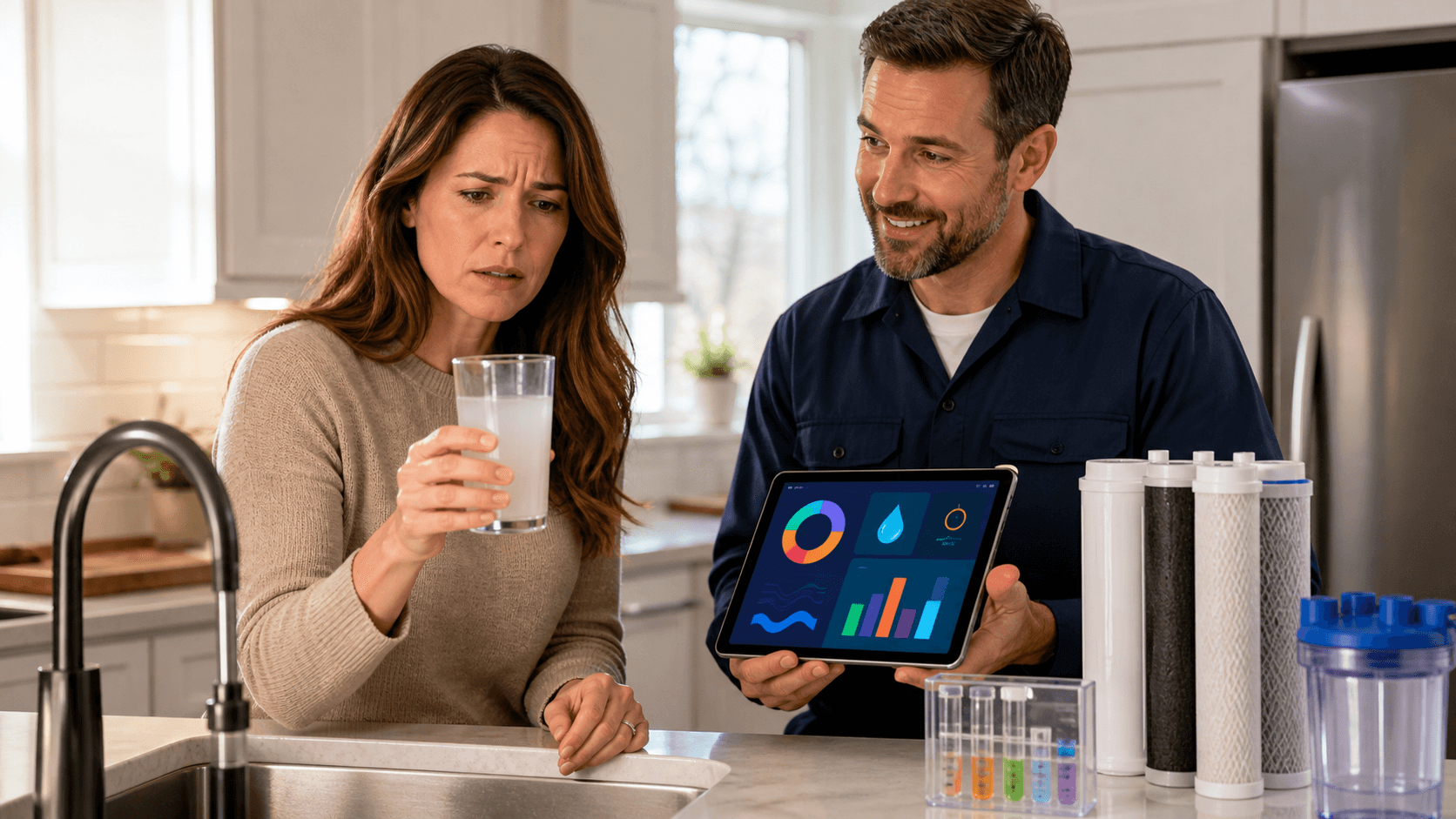
More homeowners start thinking about their tap water when the weather heats up. Cold drinks taste a little off, ice cubes look cloudy, showers feel drying, and stains show up faster on fixtures and dishes. So they grab their phone and search for things like "water filtration" or "whole-home filter."
Most plumbing companies in the US are not ready for those searches. They run generic plumbing ads and hope a few people ask about filtration. That means they miss out on higher-value customers who want long-term help with their water, not just a quick fix.
We want to show you a better way. When you build a simple, clear system for water filtration lead generation, you can turn those online searches into steady booked jobs. From first click to in-home test, filtration can grow into one of the most profitable service lines in your shop.
Why Water Filtration Is Plumbing's Best Upsell
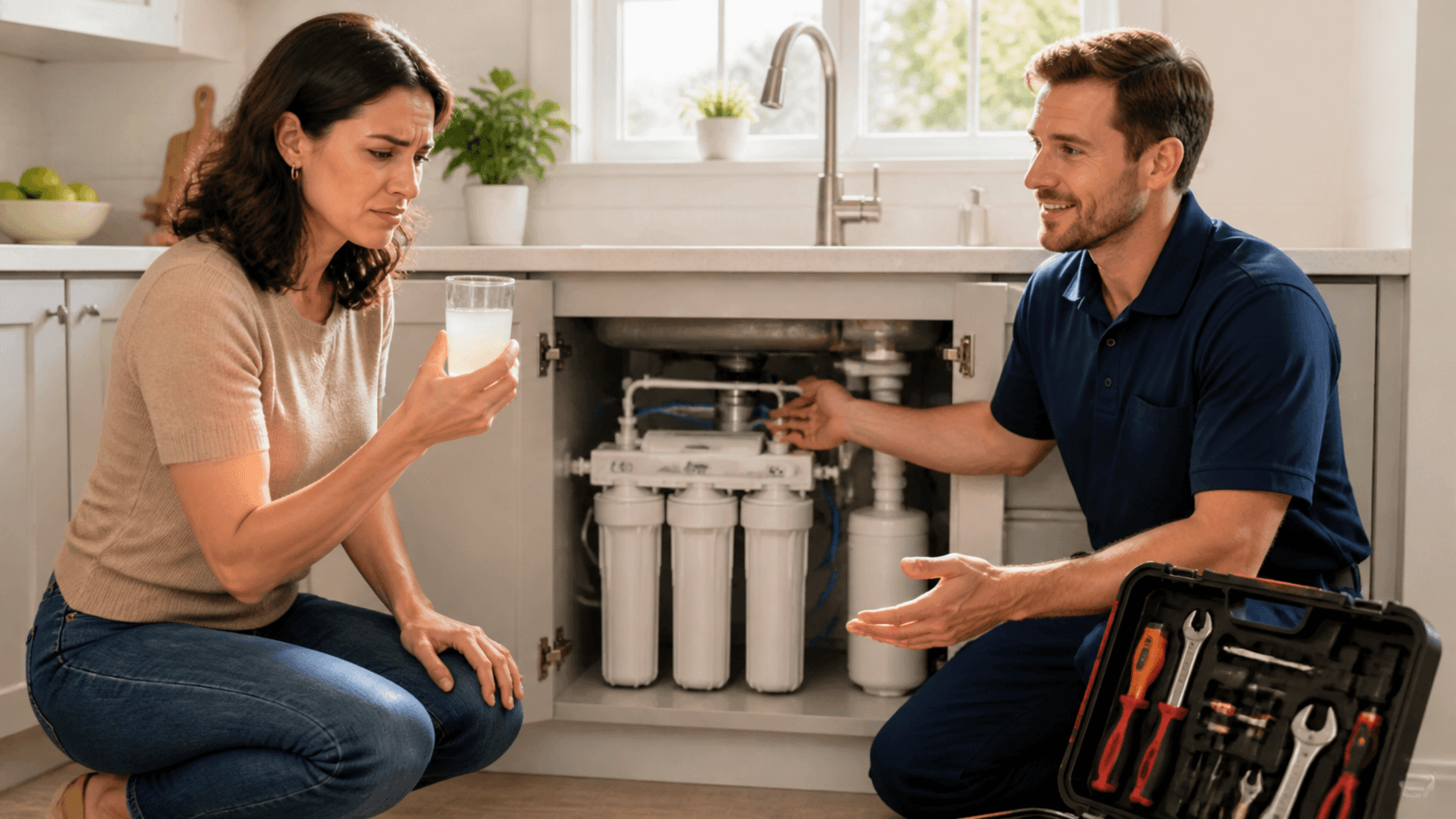
Water filtration fits naturally into what you already do. Every time your tech steps into a home, there is a chance to talk about water quality. Leaks, repipes, water heaters, softeners, fixture swaps, all of these visits open the door for a quick check of how the water looks, smells, and feels.
On a normal call, your team can:
- Point out scale on fixtures or appliances
- Ask if the family notices dry skin or brittle hair
- Check for odors like rotten eggs from hot water
- Look for hard water spots on glass or dishes
Those little signs make it easy to start a real conversation about solutions. Instead of a one-time repair, you move into solving an ongoing problem.
Filtration jobs usually bring stronger long-term value. A whole-home system often leads to recurring filter changes, service calls, and add-ons like softeners or specialty cartridges. Compared to fast emergency work, these customers tend to stick with the same plumbing pro who set them up right from day one.
At the same time, consumer interest keeps climbing. More families talk about PFAS, lead, chlorine, and hard water in their local supply. During summer, when people drink more tap water and make more ice, they notice taste and odor issues even more. The plumbing operators who show up clearly for that demand pick up the easiest wins.
How Modern Homeowners Actually Shop for Filtration
The typical homeowner does not buy a filtration system in a panic like they do with a burst pipe. Their process is slower and more careful.
It usually looks like this:
- They notice stains, spots, dry skin, or a bad taste
- They search online for "whole-home water filtration" or similar terms
- They click on local companies with clear pages about filtration
- They read reviews and look for proof that you know water, not just drains
Trust starts online. A generic homepage that says you "do it all" feels thin when someone is worried about what comes out of their tap. What works better is focused content that explains water problems in simple terms and shows you handle them every day.
Things that help build that trust include:
- Plain language guides on common water problems in your area
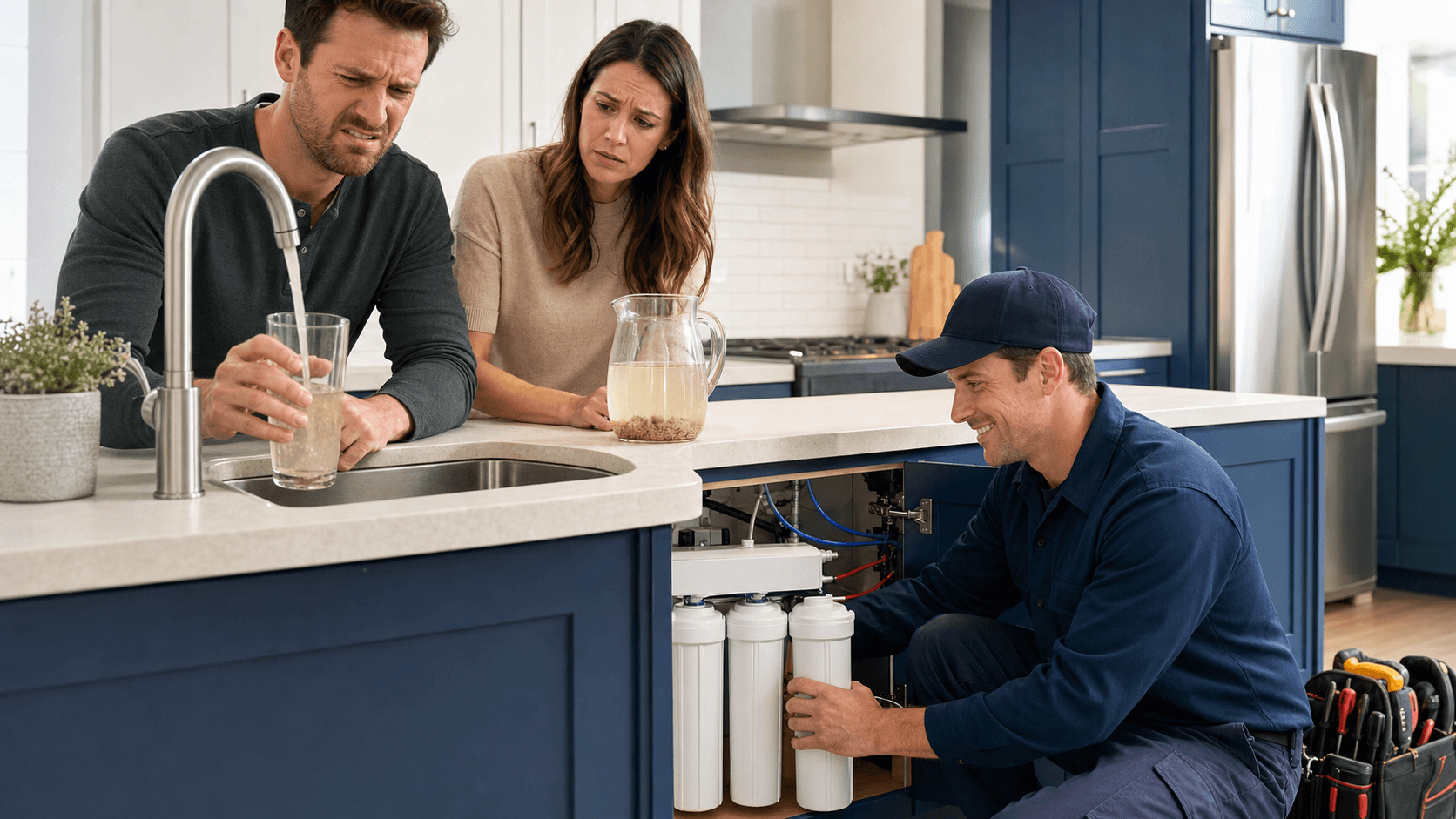
- Real photos of installs and before and after results
- Clear service descriptions for filtration, not buried under other plumbing work
Water filtration shopping is more like buying a new appliance than calling for an emergency clog. People want to compare, ask questions, and think. That means your water filtration lead generation plan has to respect that slower pace. You need education, follow-up, and patience built into your process.
Building a Water Filtration Lead Engine That Runs Year-Round
If you want filtration to be a real growth channel, you need more than one ad. You need a simple engine that runs in the background and keeps your team busy in every season.
Start with how people search. Homeowners rarely type "plumber" when they are thinking about taste or odor. They type the problem or the solution. That is why strong SEO around both city and symptom matters. You want pages for things like:
- Hard water buildup in your city
- Rotten egg smell in hot water
- Whole-home water filtration for local homes
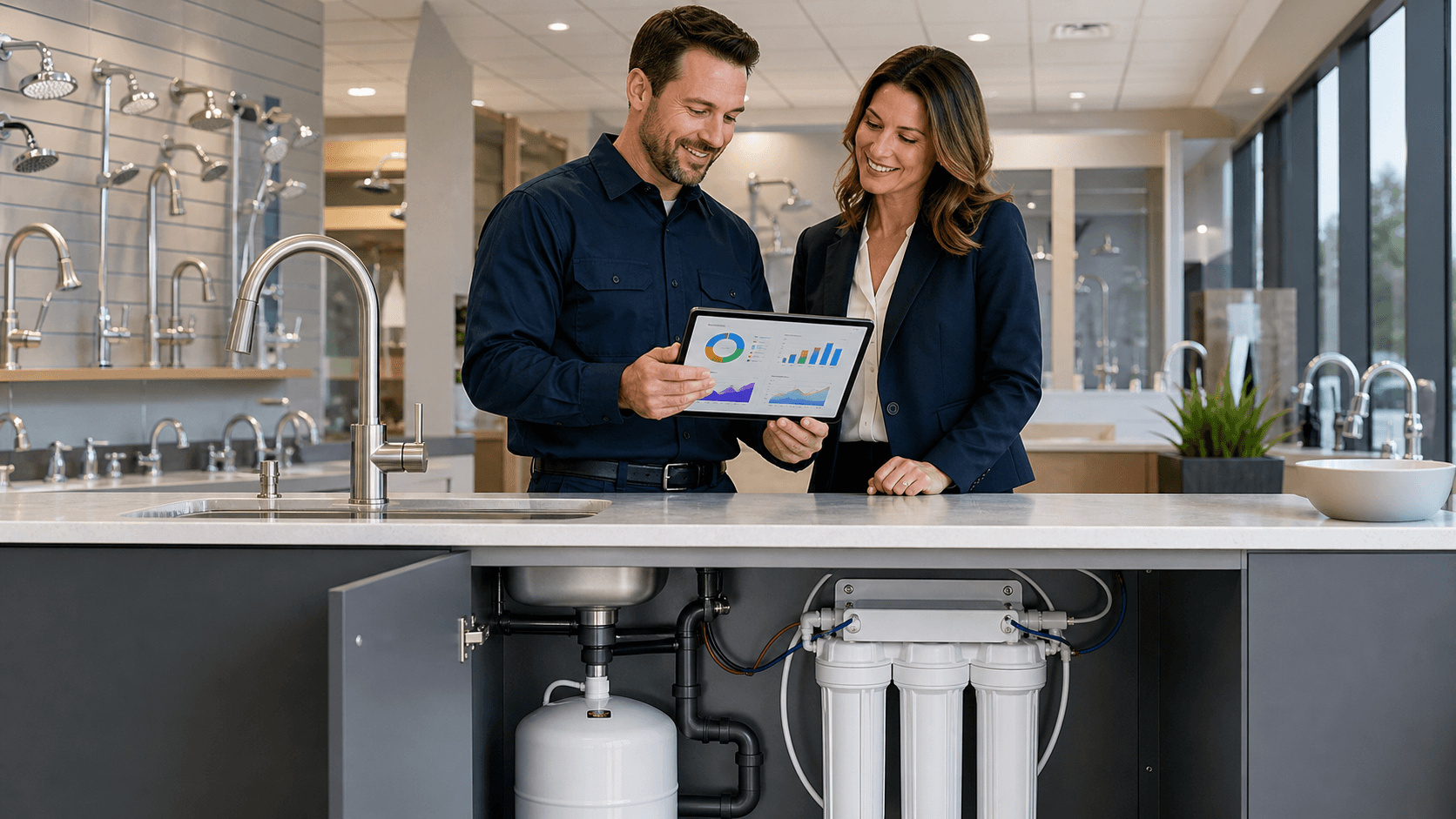
Then, give your Google Business Profile some love for filtration too. Add filtration photos, update your services, and post about recent installs. When someone in your town searches "water filter install," you want that listing to stand out.
Next, build a simple, conversion-focused section of your site just for filtration. This area should include:
- Clear service bundles or system types
- Before and after visuals of glassware, fixtures, or appliances
- A short quiz-style assessment about water taste, smell, and feel
- Fast quote or inspection forms that send leads straight to your office
Strong water filtration lead generation ties all of this together. High-intent search terms, simple education, and focused landing pages flow into one funnel. Done right, it keeps calls and form fills coming even after the summer spike fades.
Turning Clicks Into Booked Filtration Appointments
Once the leads start rolling in, the real work begins. Many plumbing shops lose a big chunk of water filtration opportunities because they are slow to respond or treat them like any other inquiry.
Filtration prospects often send a form in the evening or during work hours. If they only get a "we will call you back" response, they keep browsing. By the time your office calls, they might be talking with someone else.
AI-driven follow-up can protect those leads while your team is busy. With the right setup, you can:
- Send instant text replies that feel personal and friendly
- Share short, plain answers to common filtration questions
- Offer a few time windows for a call or in-home test
- Nurture leads that are curious but not quite ready to book
This keeps the conversation going while your techs and office staff handle active jobs. You stay top of mind without adding more pressure to your front desk.
Call handling matters too. Dedicated tracking numbers for filtration calls help you measure and improve. Recorded calls, when done properly, let you coach your team on:
- Asking about symptoms, not just equipment
- Explaining next steps, like tests or on-site estimates
- Setting clear expectations for visit length and what will be checked
The goal is simple: move smoothly from click, to first reply, to booked in-home visit where your tech can test and recommend.
Scaling Profitable Filtration Jobs Season by Season
Once you have a working system, you can start planning around the calendar. Water concerns shift through the year, and your messaging can shift with them.
For example, you might focus on:
- Late spring and summer: taste, odor, ice quality, and drinking water
- Fall: scale buildup, appliance protection, and fixtures
- Winter: health, safety, and peace of mind when people spend more time indoors
Over time, you can track how your water filtration lead generation performs using simple numbers inside your own shop. Things like:
- Leads per month from filtration pages and calls
- Close rates from first inquiry to booked job
- Average ticket size for filtration compared to other plumbing work
- Repeat service visits for filter changes or upgrades
This helps you see filtration not as "extra work" but as a clear profit center you can tune by geography, season, and product mix. With each cycle, your system gets sharper and more predictable.
Make Water Filtration Your Next Growth Engine
Plumbing companies across the US that treat water filtration as a real growth channel tend to build steadier, higher-margin businesses. Instead of living on emergency calls and season swings, they rely more on planned visits, educated homeowners, and long-term service relationships.
A simple first step is to look at how visible your filtration offers are right now. Check if your site has clear filtration pages, if your search presence mentions common local water problems, and if your follow-up flow is strong enough to handle curious, research-minded homeowners.
From there, define what your ideal filtration job looks like, and shape your marketing around that picture. At Dirty Water Customer Co., we build these systems every day for plumbing operators who want steady, high-quality filtration work on the board all year long.
Turn More Thirsty Shoppers Into Qualified Water Filtration Leads
If you are ready to consistently attract homeowners who actually want cleaner, safer water, our team at Dirty Water Customer Co. is here to help. We specialize in building predictable pipelines using targeted water filtration lead generation strategies that match your service area and sales process. Tell us about your goals, and we will map out a custom plan to increase your appointments and close more installs. Reach out today so we can start turning your marketing spend into measurable growth.